
About Us
The Fish Book
-
Cephalopods
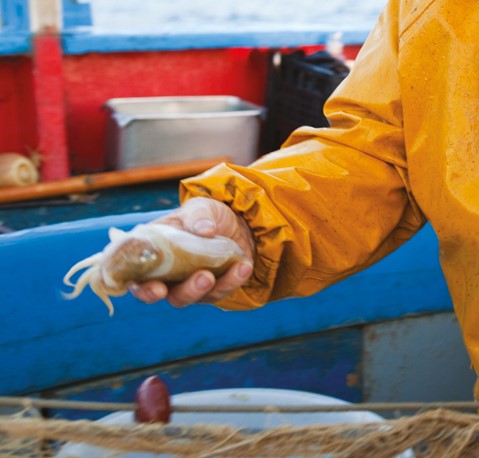
-
Flatfish
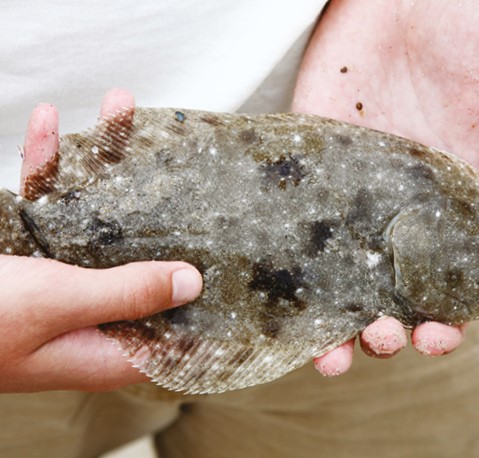
-
Game Fish
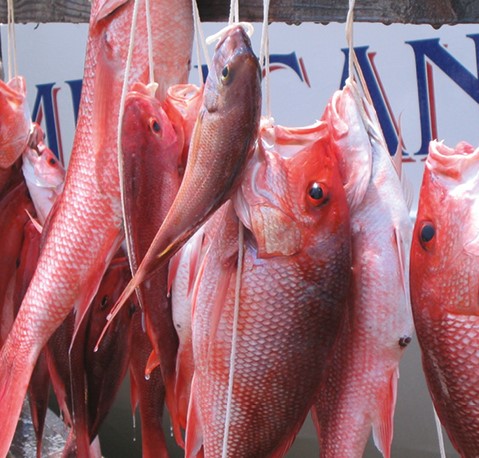
-
Round Fish Coldwater
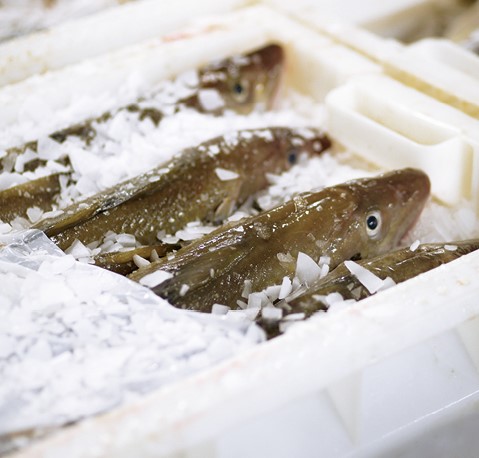
-
-
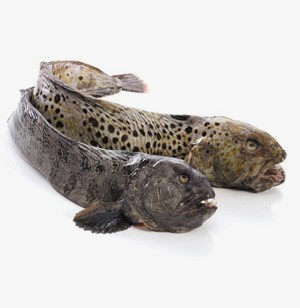
Catfish
-
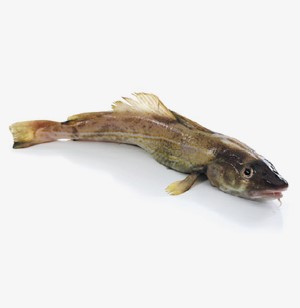
Cod
-
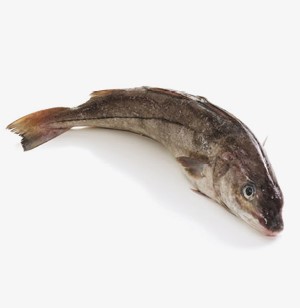
Haddock
-
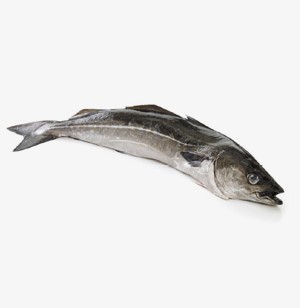
Coley
-
Hake
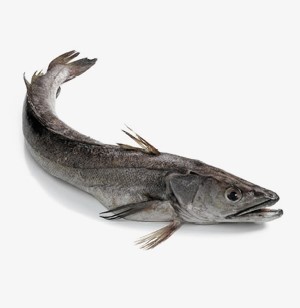
-
Ling
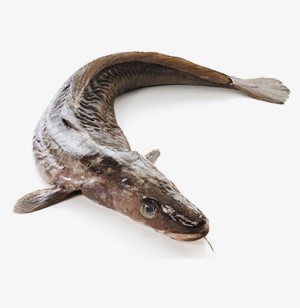
-
Pollack
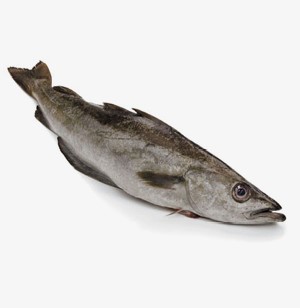
-
Whiting
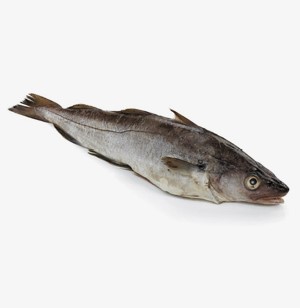
-
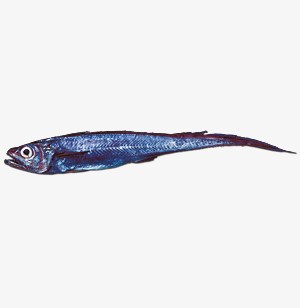
Hoki
-
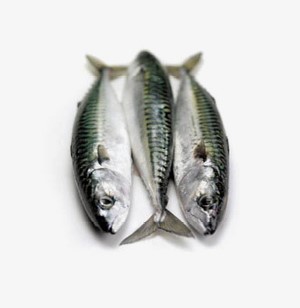
Mackerel
-
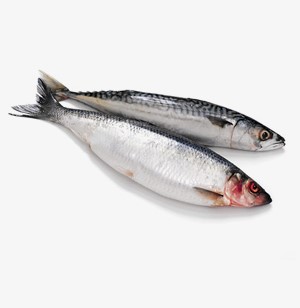
Herrings
-
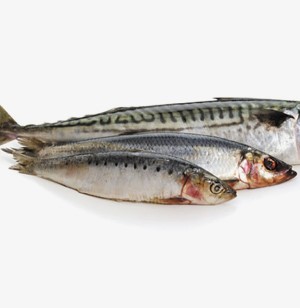
Sardines / Pilchards
-
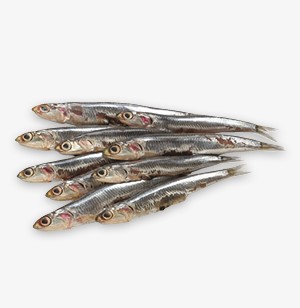
Anchovies and Sprats
-
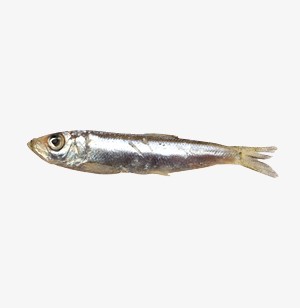
Whitebait
-
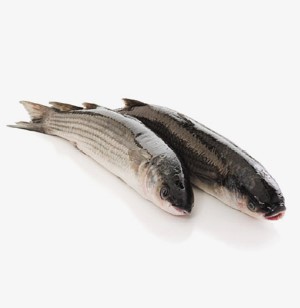
Grey Mullet
-
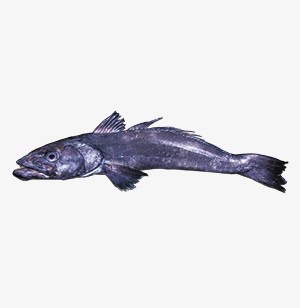
Icefish
-
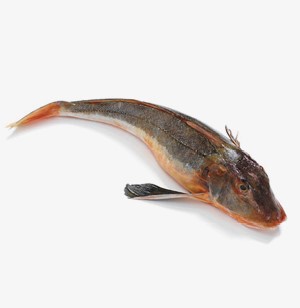
Gurnards
-
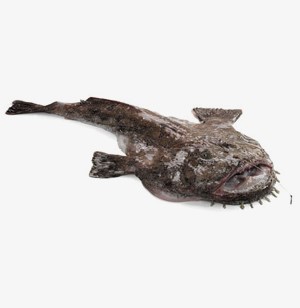
Monkfish
-
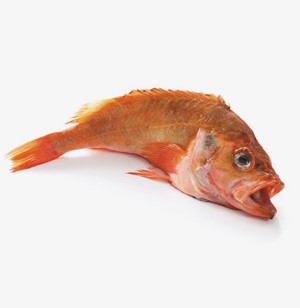
Redfish
-
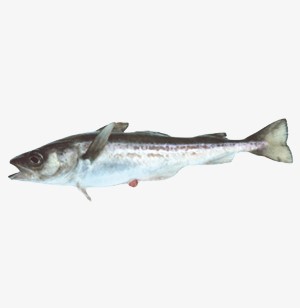
Sablefish
-
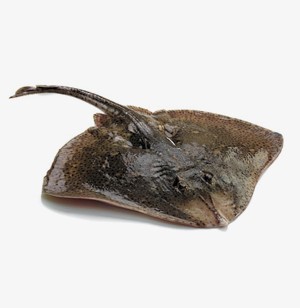
Skate & Rays
-
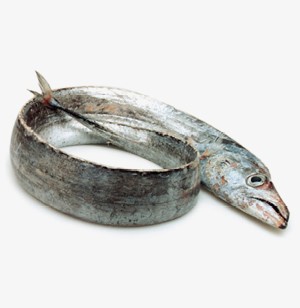
Silver Scabbard Fish
-
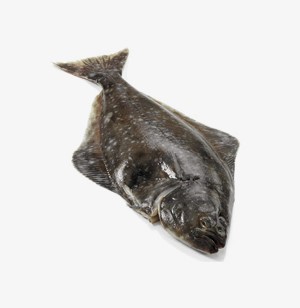
Halibut
-
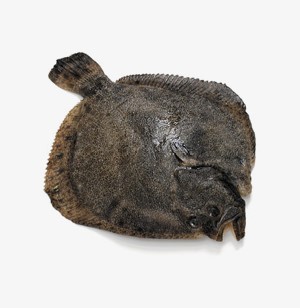
Turbot
-
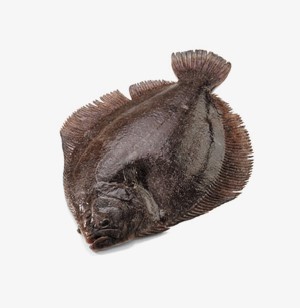
Brill
-
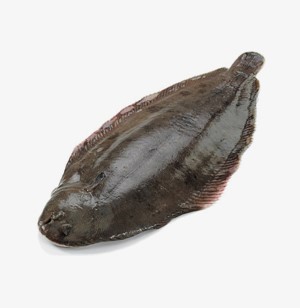
Dover Sole
-
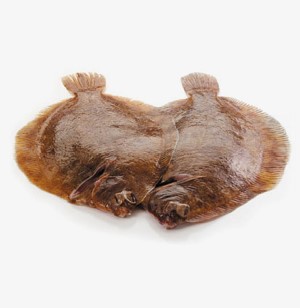
Lemon Sole
-
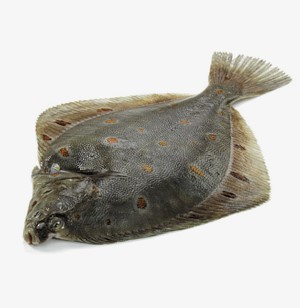
Plaice
-
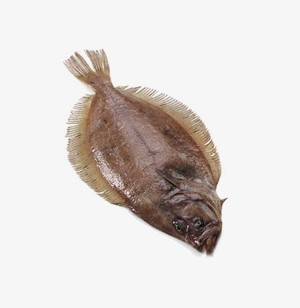
Megrim
-
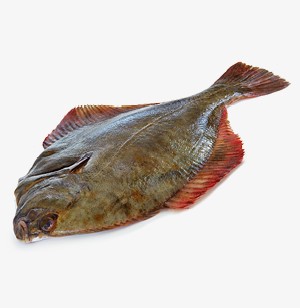
Flounder & Dab
-
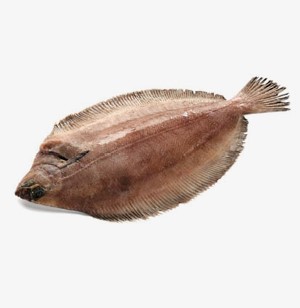
Witch
-
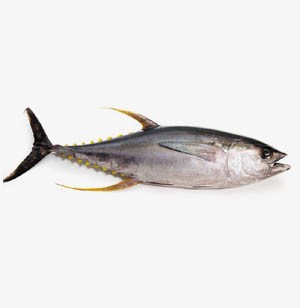
Tuna
-
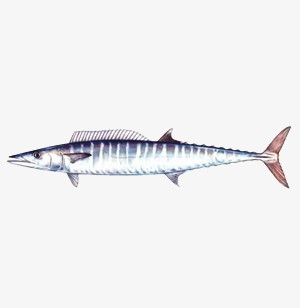
Wahoo
-
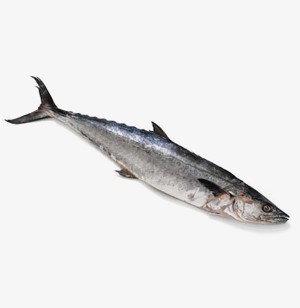
Kingfish
-
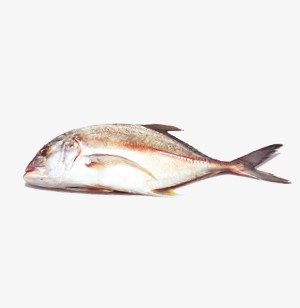
Trevallys / Jacks
-
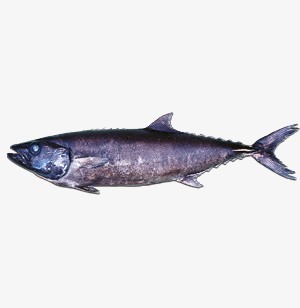
Escolar
-
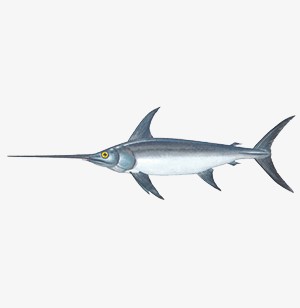
Swordfish
-
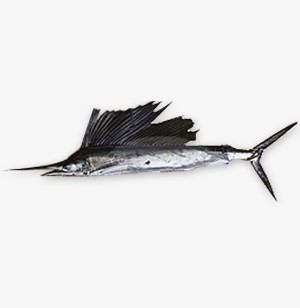
Sailfish
-
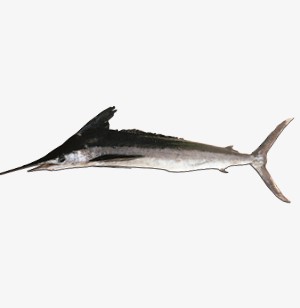
Marlin
-
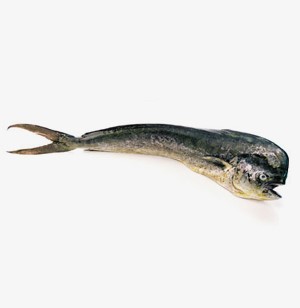
Mahi Mahi
-
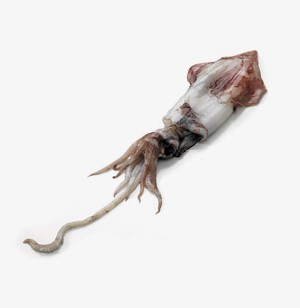
Squid
-
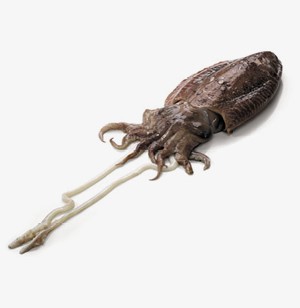
Cuttlefish
-
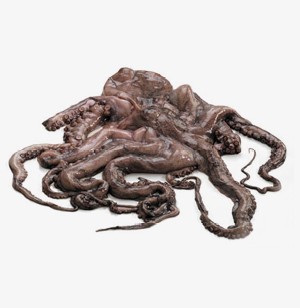
Octopus
-
-
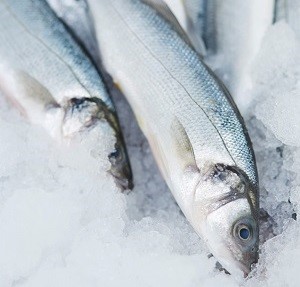
Round Fish Warmwater
-
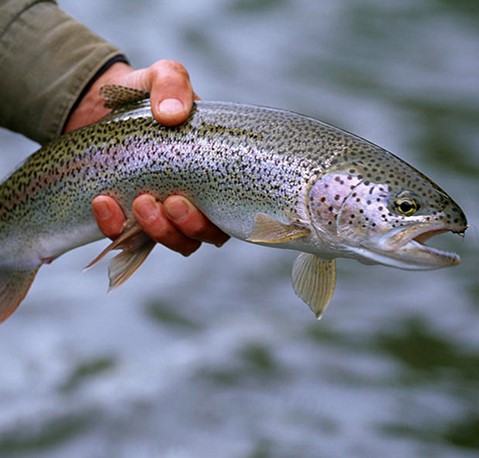
Salmon, Trout & Freshwater
-
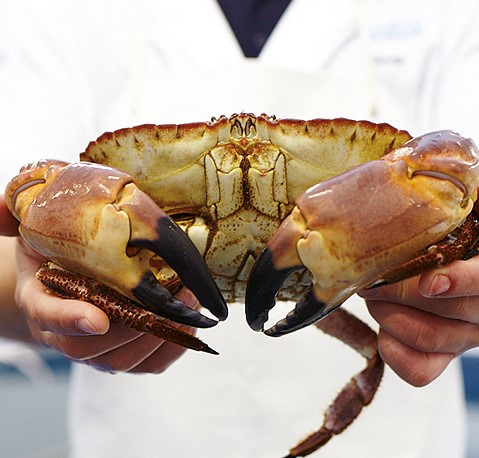
Shellfish, Crustaceans & Molluscs
-
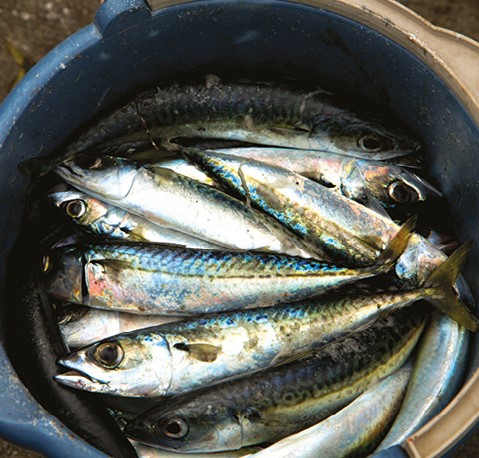
Smoked Fish & Roes
-
-
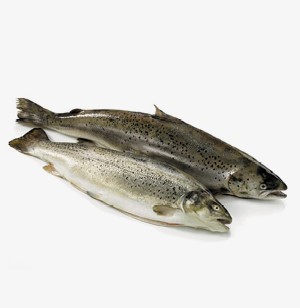
Salmon (Atlantic)
-
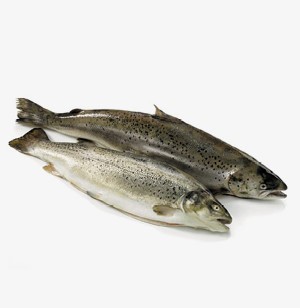
Salmon (Pacific)
-
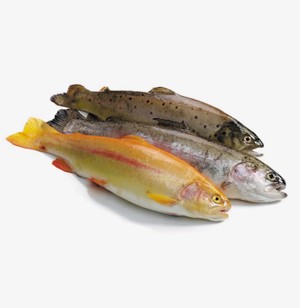
Rainbow Trout
-
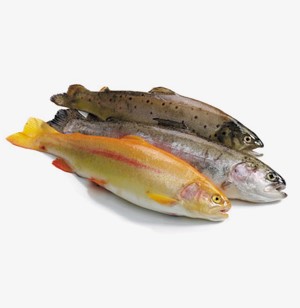
Brown Trout
-
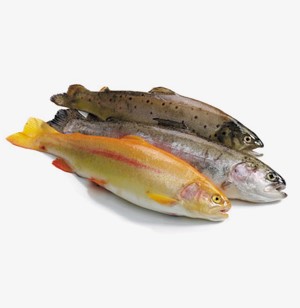
Golden Trout
-
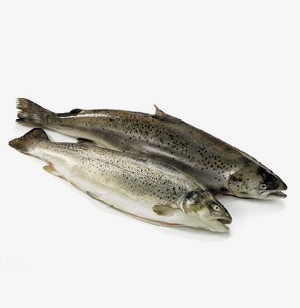
Sea Trout
-
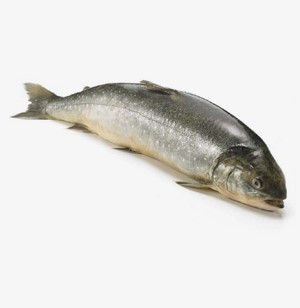
Arctic Char
-
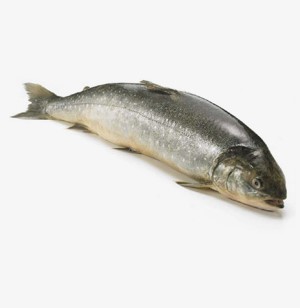
Brook Char
-
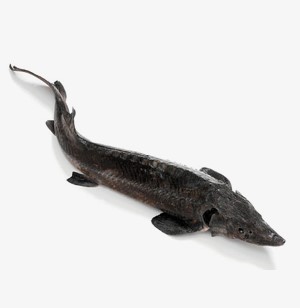
Sturgeon
-
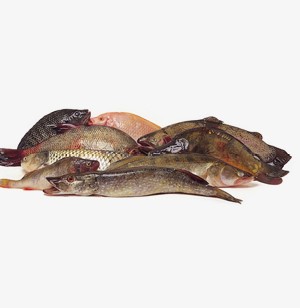
Perch
-
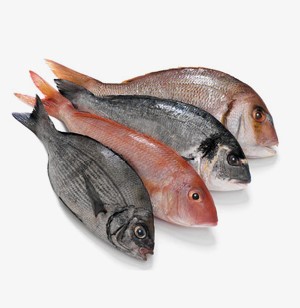
Bream
-
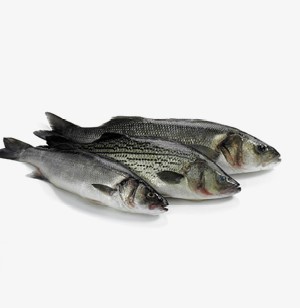
Striped American Sea Bass
-
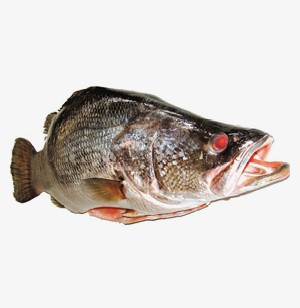
Nile Perch
-
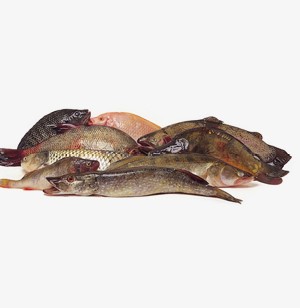
Zander
-
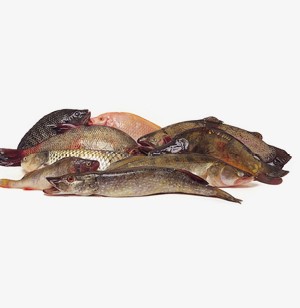
Pike
-
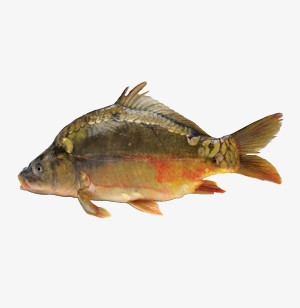
Carp
-
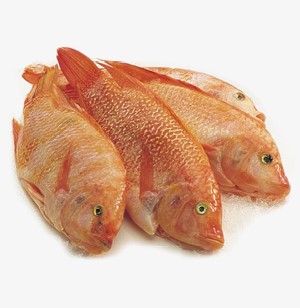
Tilapia
-
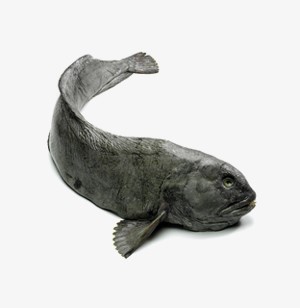
Catfish
-
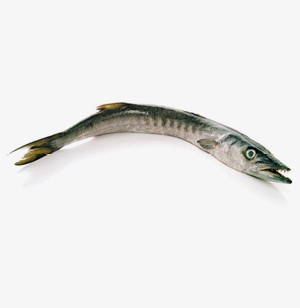
Barracuda
-
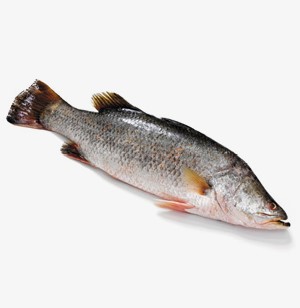
Barramundi
-
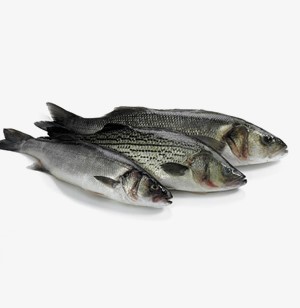
Sea Bass
-
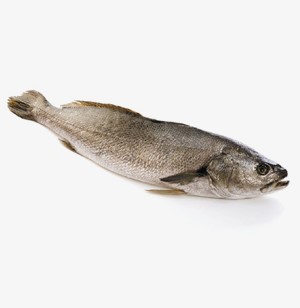
Croakers / Meagre / Drums / Jewfish
-
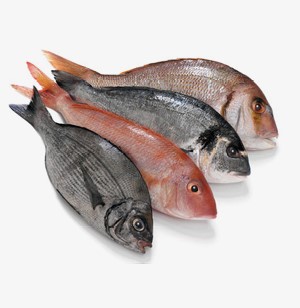
Sea Breams
-
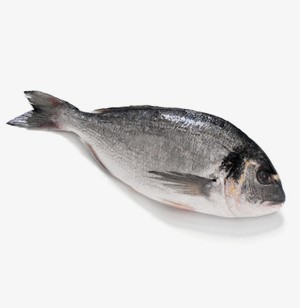
Gilt Head Bream
-
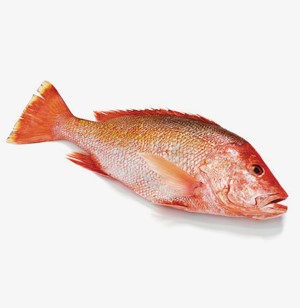
Snappers
-
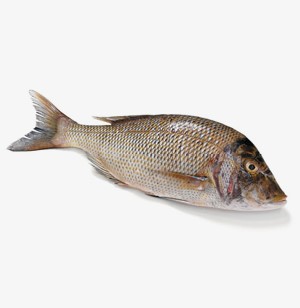
Emperors
-
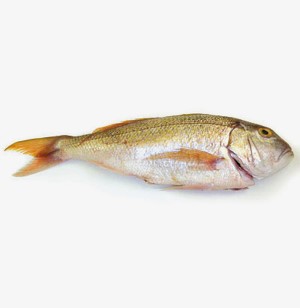
Jobfish
-
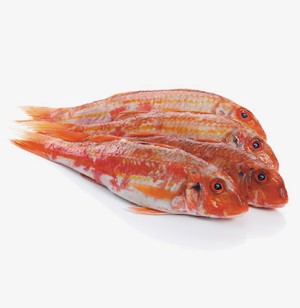
Red Mullet
-
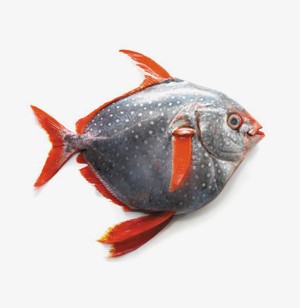
Moonfish / Opah
-
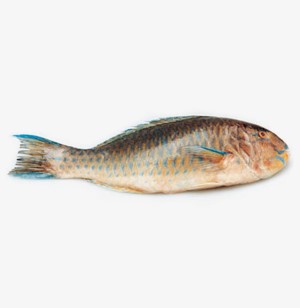
Parrotfish
-
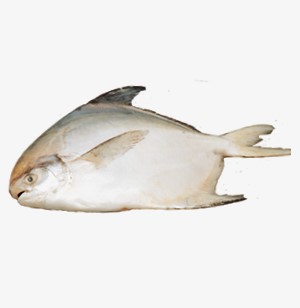
Pomfret
-
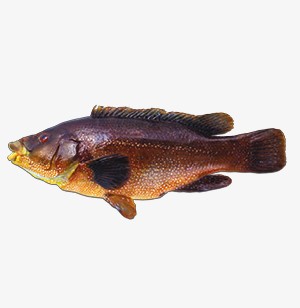
Wrasse
-
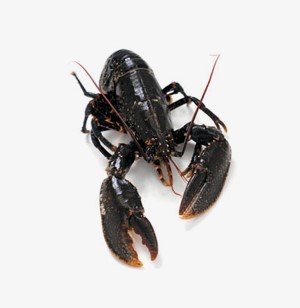
Lobsters
-
Rock Lobsters / Crawfish
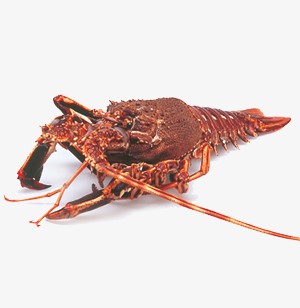
-
Crayfish
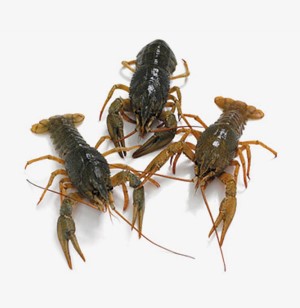
-
Langoustines
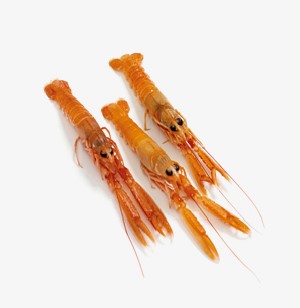
-
Slipper Lobsters (Moreton Bay Bugs)
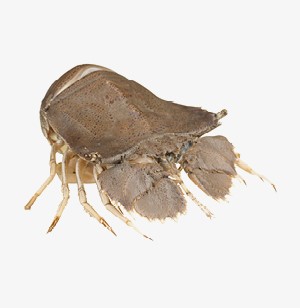
-
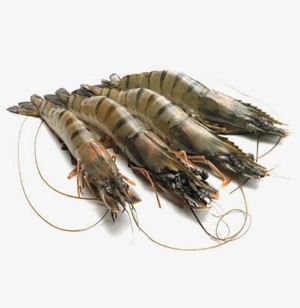
Prawns & King Prawns
-
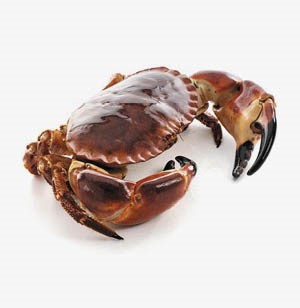
Brown Crabs
-
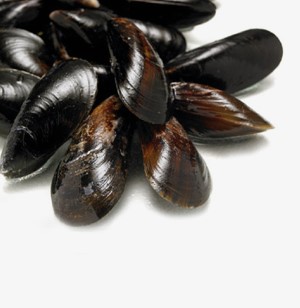
Mussels
-
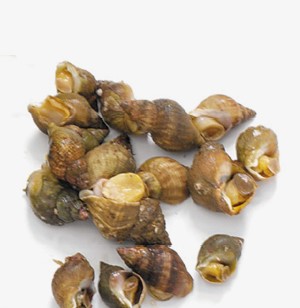
Whelks & Winkles
-
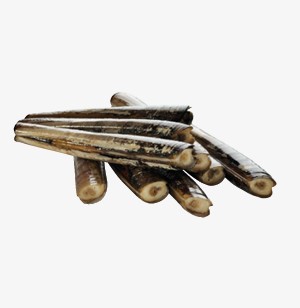
Clams & Cockles
-
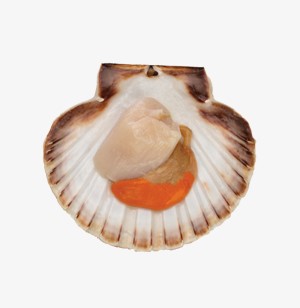
Scallops
-
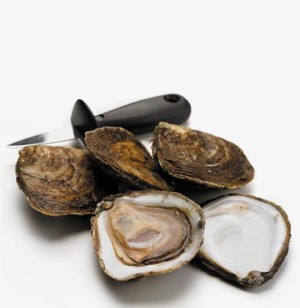
Oysters
-
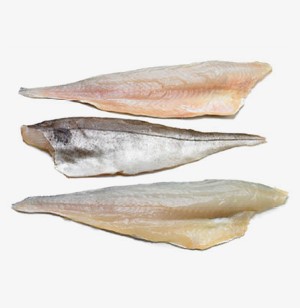
Smoked fish
-
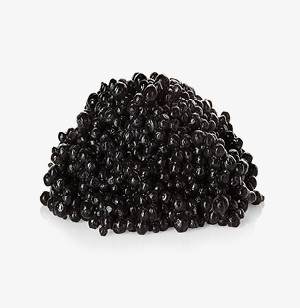
Roes
-
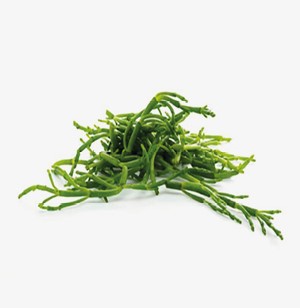
Sea vegetables
-
-
Cephalopods
-
Squid
-
Cuttlefish
-
Octopus
-
-
Flatfish
-
Halibut
-
Turbot
-
Brill
-
Dover Sole
-
Lemon Sole
-
Plaice
-
Megrim
-
Flounder & Dab
-
Witch
-
-
Game Fish
-
Tuna
-
Wahoo
-
Kingfish
-
Trevallys / Jacks
-
Escolar
-
Swordfish
-
Sailfish
-
Marlin
-
Mahi Mahi
-
-
Round Fish Coldwater
-
Catfish
-
Cod
-
Haddock
-
Coley
-
Hake
-
Ling
-
Pollack
-
Whiting
-
Hoki
-
Mackerel
-
Herrings
-
Sardines / Pilchards
-
Anchovies and Sprats
-
Whitebait
-
Grey Mullet
-
Icefish
-
Gurnards
-
Monkfish
-
Redfish
-
Sablefish
-
Skate & Rays
-
Silver Scabbard Fish
-
-
Round Fish Warmwater
-
Barracuda
-
Barramundi
-
Sea Bass
-
Croakers / Meagre / Drums / Jewfish
-
Sea Breams
-
Gilt Head Bream
-
Snappers
-
Emperors
-
Jobfish
-
Red Mullet
-
Moonfish / Opah
-
Parrotfish
-
Pomfret
-
Wrasse
-
-
Salmon, Trout & Freshwater
-
Salmon (Atlantic)
-
Salmon (Pacific)
-
Rainbow Trout
-
Brown Trout
-
Golden Trout
-
Sea Trout
-
Arctic Char
-
Brook Char
-
Sturgeon
-
Perch
-
Bream
-
Striped American Sea Bass
-
Nile Perch
-
Zander
-
Pike
-
Carp
-
Tilapia
-
Catfish
-
-
Shellfish, Crustaceans & Molluscs
-
Lobsters
-
Rock Lobsters / Crawfish
-
Crayfish
-
Langoustines
-
Slipper Lobsters (Moreton Bay Bugs)
-
Prawns & King Prawns
-
Brown Crabs
-
Mussels
-
Whelks & Winkles
-
Clams & Cockles
-
Scallops
-
Oysters
-
-
Smoked Fish & Roes
-
Smoked fish
-
Roes
-
Sea vegetables
-
Quick Links
Contact us
Have a question?
- syscospecialitygroup@sysco.com
- Sysco Speciality Group Head Office, Charbridge Way
- Bicester
- Oxfordshire, OX26 4SW



- Legal disclaimer
- Modern Slavery Act
- Natasha's Law
- Website Terms and Conditions of Use
- Website Terms and Conditions of Sale
- Terms and Conditions of Sale
- Sitemap
- Privacy Policy
- Cookie Settings
M&J Seafood 2024. Registered office: Enterprise House, Eureka Business Park, Ashford, Kent. TN25 4AG. Registered in England No. 03053702.